

Biophilic Design for Success.
Why Nature Belongs at the Heart of Every Spa & Wellness Space!
In the years following the pandemic, conversations around operational efficiency intensified across the hospitality and wellness world. Budgets were examined line by line, and well-being, ironically, was often the first area considered for cuts.
I remember one particular moment vividly. I was touring our hotel with my Hotel Manager, reviewing the spa and fitness facilities in the spirit of cost savings. When we entered the gym, he turned to me and suggested we remove all the plants.
At first glance, the logic seemed practical. Plants require maintenance, occasional replacement, and a small but noticeable line in the budget. In a post-COVID world, every euro mattered.
But what also mattered, perhaps more than ever, was the human need for connection, comfort, and calm. And that is where the power of biophilic design comes in.
Instead of removing the plants, I proposed smarter, low-maintenance solutions:
Switching to hardy, hotel-friendly species
Simplifying maintenance routines with the flower department
Repositioning plants for maximum visual and psychological impact
Improving light exposure to reduce replacement
The result?
We kept all the plants and maintained the sense of well-being in the space, without compromising the operational budget.
It was a reminder that not all cost savings add value, and some cost savings come at too high a price.
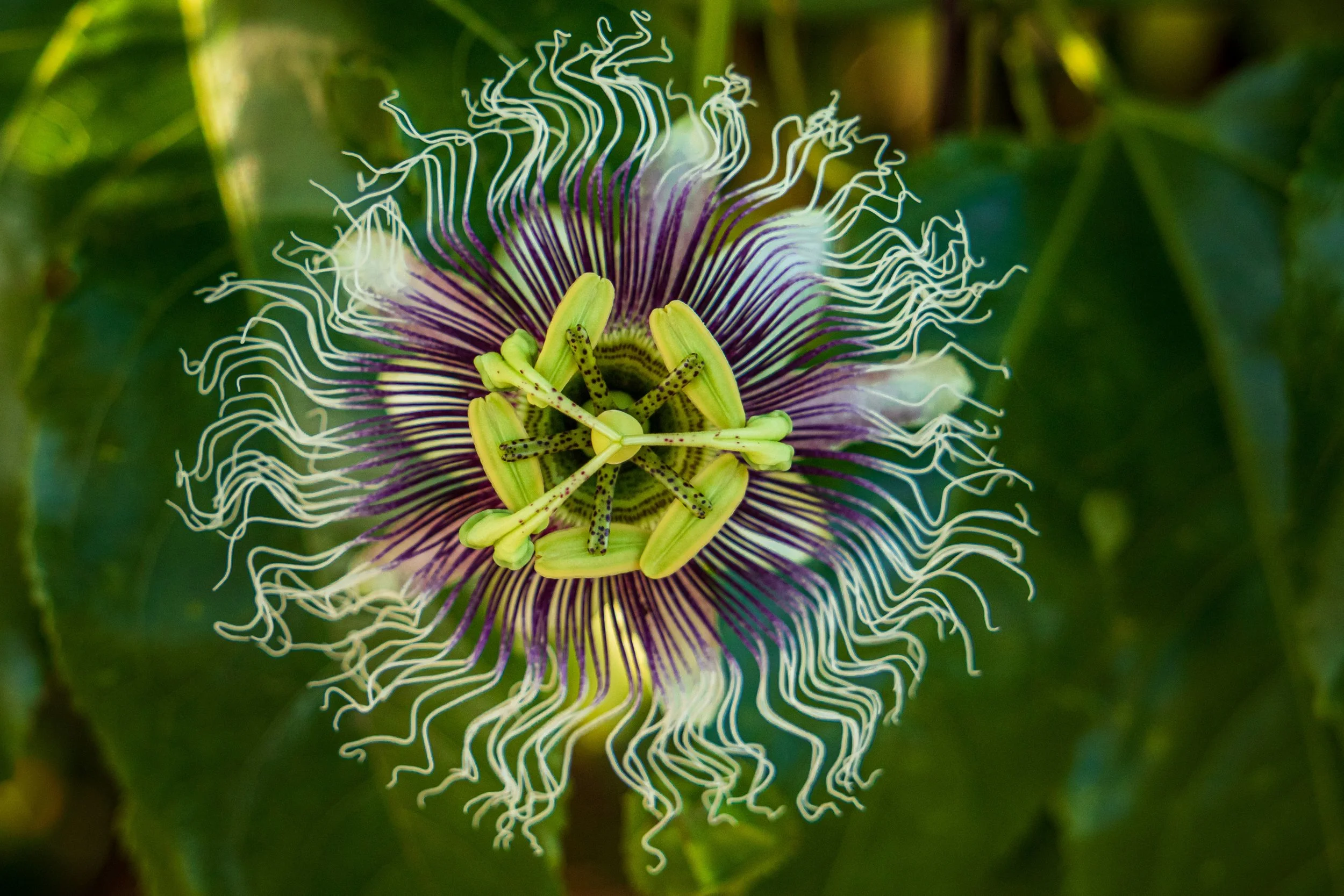
Biophilic design is rooted in the innate human need to connect with nature. It affects mood, stress levels, cognitive performance, perceived air quality, and even the emotional impression a space leaves.
In wellness environments, this impact is amplified. These are places where guests come to restore balance, regulate emotions, and reconnect with themselves. Not adding or removing natural elements risks removing part of what makes a spa or wellness space meaningful.
How can a spa or wellness facility bring biophilic design to life? Biophilic design is a comprehensive approach, not just adding greenery, but shaping spaces that nurture and restore. Here some examples:
Living greenery by adding indoor plants in lounges and treatment corridors, vertical living walls, or potted indoor trees for grounding scale.
Natural light through skylights and light wells, floor-to-ceiling windows in gyms and studios, or filtered daylight using sheer natural fabrics.
Organic, tactile materials which include woods, raw or lightly treated, natural stone in wet areas, rattan, linen, clay, earthy textures, or finishes that feel warm, soft, and grounding.
Water as a wellness element, like soft water features in waiting areas, reflecting pools or calming fountains, or hydrotherapy circuits inspired by natural rhythms.
Nature-inspired shapes & patterns such as curved architectural lines, acoustic panels inspired by leaves or waves, cocoon-like relaxation pods, or art influenced by flora, mineral patterns, or natural landscapes.
Scent & sound could include essential oils inspired by forests or gardens, soundscapes featuring water, birds, or forest ambience, or treatment music aligned with the natural ecosystems.
Outdoor integration, if relevant, may include open-air treatment rooms, movement decks for yoga and meditation, courtyards connecting wet areas, or nature walks or barefoot trails.
Biophilic design is not an indulgence; it can be a strategic pillar of modern spa and wellness spaces. It elevates guest experience, strengthens brand storytelling, and supports emotional well-being.
It is not surprising that biophilic design has also become a major wellness trend, consistently highlighted by the Global Wellness Institute’s Trends from its Wellness Architecture & Design Initiative as a key driver in how hospitality and spa environments are evolving toward more nature-connected spaces.
Looking back at that post-COVID conversation with my Hotel Manager, I’m grateful I trusted the instinct that said: Nature doesn’t cost. Nature pays back.
In spa and wellness spaces, where we invite people to feel, breathe, and reconnect, nature is not just a design element; it is a central part of the experience. It is part of the therapy.
Share your thoughts on biophilic design with us below!